

Know More About Gum Disease
By Lifetime Dental
When it comes to your oral health, you probably already know the basics: brush twice a day, floss regularly, and visit your dentist for routine cleanings. But what if you’re doing everything right and still find yourself battling gum disease? The answer might be written in your DNA.
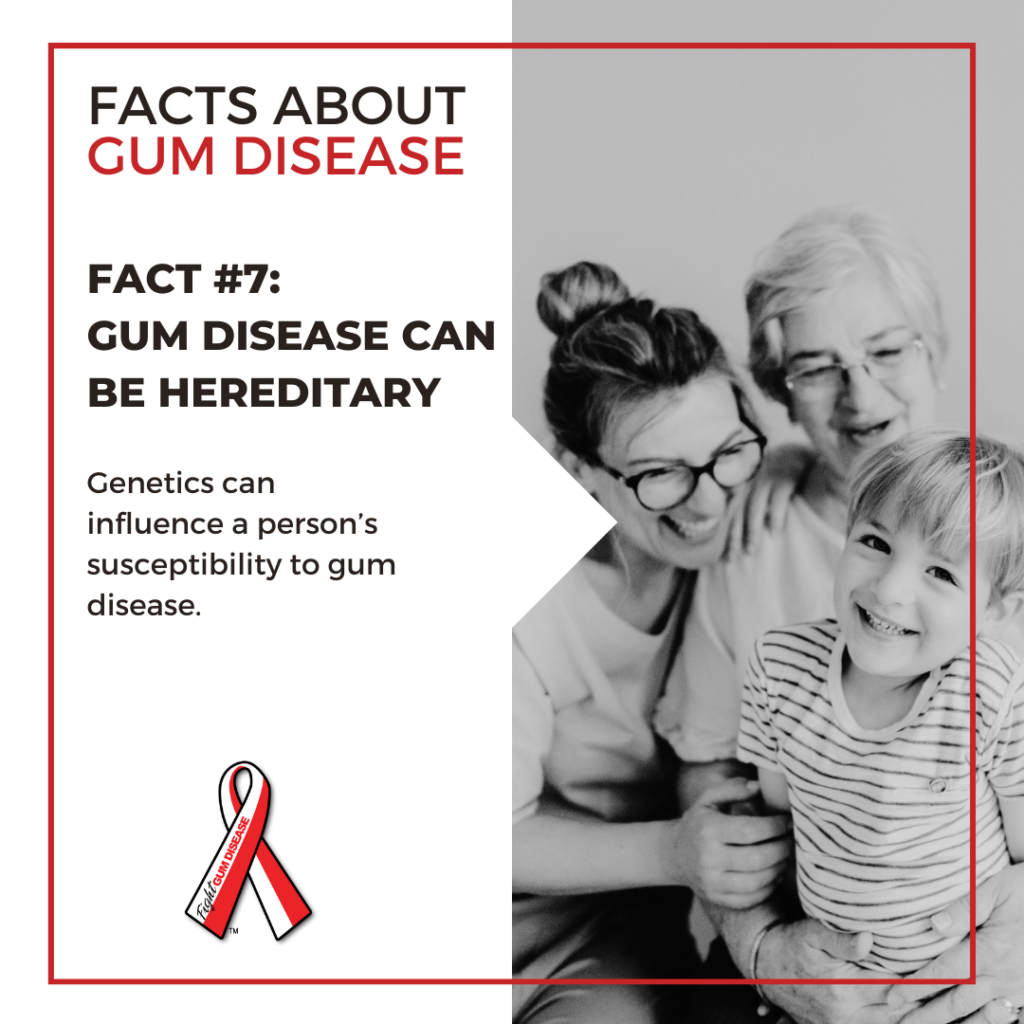 Gum Disease Can Be Hereditary
One of the most important — and often overlooked — facts about gum disease is that genetics can play a significant role in your susceptibility to it. Even if you maintain excellent oral hygiene habits, your family history may put you at a higher risk for developing periodontal (gum) disease than the average person.
Research has shown that some individuals are genetically predisposed to stronger inflammatory responses to the bacteria that cause gum disease. This means their immune systems may overreact to plaque buildup in ways that accelerate gum tissue breakdown and bone loss — regardless of how diligent they are with their dental routine.
What This Means for You and Your Family
If your parents or grandparents have struggled with gum disease, tooth loss, or chronic dental issues, it’s worth having an honest conversation with your dentist about your family history. Understanding your genetic risk is the first step toward getting ahead of the problem before it starts.
Signs of gum disease to watch for include red, swollen, or tender gums; bleeding when you brush or floss; persistent bad breath; gums that appear to be pulling away from your teeth; and loose or shifting teeth. If you notice any of these symptoms, don’t wait. Early-stage gum disease (gingivitis) is highly treatable, but when left unaddressed, it can progress to periodontitis — a more serious form that can lead to tooth and bone loss.
You Can’t Change Your Genes, But You Can Change Your Habits
Having a genetic predisposition to gum disease is not a life sentence. With the right care plan and a proactive approach, you can significantly reduce your risk and protect your smile for life.
Here’s what we recommend at Lifetime Dental: Schedule more frequent cleanings — those with a family history of gum disease may benefit from visiting us every three to four months rather than the standard twice a year. Invest in your home care routine, as electric toothbrushes and water flossers can make a meaningful difference for high-risk patients. Always tell us your family history, because the more we know, the better we can tailor your care. And never ignore early warning signs — catching problems early saves teeth and money.
We’re Here to Help
At Lifetime Dental, we believe personalized care starts with understanding you — your health, your history, and your goals. Whether you have a family history of gum disease or simply want to stay ahead of potential issues, our team is here to build a prevention plan that works for your unique smile.
Contact Lifetime Dental today to schedule your comprehensive periodontal evaluation. Your healthiest smile starts here.