Emergency Care Available!


3 Michigan Locations:
Canton: (734) 844-1300
South Lyon: (248) 437-1010
W. Bloomfield: (248) 855-8000

The Importance of Dental Care for Seniors

Posts Tagged ‘Dentist’


The Importance of Dental Care for Seniors

Posted on: January 21st, 2026 by admin


As we age, taking care of our teeth and gums becomes more important than ever. Good oral health is closely connected to overall health, comfort, and quality of life, especially for seniors. At Lifetime Dental, we believe that maintaining a healthy smile plays a vital role in helping older adults stay active, confident, and well.

Many people assume tooth loss, gum disease, or discomfort are normal parts of aging. In reality, these issues are often preventable with proper care and regular dental visits. Seniors who prioritize oral health can enjoy better nutrition, clearer speech, and improved self esteem while also reducing the risk of serious health conditions.


Lifetime Dental Seniors - Healthy Teeth in West Bloomfield, Michigan

One of the most common dental concerns for seniors is gum disease. Gum disease can progress quietly, causing inflammation, bleeding, bad breath, and eventually tooth loss if left untreated. Research also shows links between gum disease and conditions such as heart disease, diabetes, and stroke. Regular cleanings and exams help catch gum issues early and keep gums healthy and strong.

Dry mouth is another frequent issue among older adults, often caused by medications. Reduced saliva can increase the risk of cavities, infections, and discomfort. Dentists can recommend treatments, rinses, and habits that help relieve dry mouth and protect teeth from decay.

Maintaining natural teeth for as long as possible is ideal, but even seniors with dentures, bridges, or dental implants need ongoing care. Dentures require proper cleaning and regular checkups to ensure a comfortable fit and to prevent irritation or infection. Dental implants need consistent monitoring to protect surrounding gums and bone.

Healthy teeth and gums also support proper nutrition. When chewing becomes painful or difficult, seniors may avoid healthy foods like fruits, vegetables, and proteins. This can lead to poor nutrition and lower energy levels. A healthy mouth allows seniors to enjoy a balanced diet that supports overall wellness.

Just as important is the emotional benefit of a healthy smile. Feeling confident about one’s teeth can improve social interactions and reduce feelings of isolation. A bright, comfortable smile encourages seniors to stay engaged with family, friends, and community activities.

At Lifetime Dental, we understand the unique dental needs of seniors. Our team focuses on gentle, comprehensive care tailored to each stage of life. With three convenient locations, we make it easy for seniors and their families to access high quality dental care close to home.

Taking care of your teeth is an investment in your health, comfort, and longevity. No matter your age, it is never too late to improve your oral health. Regular dental visits, good daily hygiene, and a trusted dental team can help seniors enjoy healthy teeth and gums for a better quality of life.

If you or a loved one is looking for compassionate senior dental care, Lifetime Dental is here to help.

Take Charge of Your Oral Health

Posted on: March 31st, 2025 by admin

April is Oral Cancer Awareness Month: Take Charge of Your Oral Health

April is Oral Cancer Awareness Month, a time dedicated to raising awareness about a disease that affects thousands of people each year. While oral cancer may not always be top of mind, it’s a serious condition that can have life-threatening consequences if not detected early. At Lifetime Dental, we believe that prevention and early detection are the keys to protecting your health. That’s why we encourage all of our patients to schedule regular screenings and learn the signs of oral cancer.

The Importance of Early Detection

Oral cancer can develop in various areas of the mouth, including the tongue, lips, cheeks, gums, and the roof or floor of the mouth. The key to successful treatment is catching it early, which is why routine dental visits are so critical. Dentists and hygienists are trained to recognize potential warning signs before symptoms become severe. With early diagnosis, the survival rate for oral cancer is significantly higher.

Who Is at Risk?

Oral cancer can affect anyone, but certain risk factors can increase a person’s likelihood of developing the disease, including:

  • Tobacco Use: Cigarettes, cigars, and smokeless tobacco products significantly increase the risk of oral cancer.
  • Excessive Alcohol Consumption: Frequent alcohol use, especially in combination with tobacco, can greatly raise the chances of developing oral cancer.
  • HPV (Human Papillomavirus) Infection: Certain strains of HPV have been linked to oropharyngeal cancers.
  • Excessive Sun Exposure: Prolonged exposure to the sun without protection can lead to lip cancer.
  • Age and Genetics: While oral cancer is more common in individuals over 40, younger individuals are not immune, particularly those with a genetic predisposition or HPV-related factors.


Signs and Symptoms to Watch For

While a professional screening is the most reliable way to detect oral cancer, being aware of the warning signs can help you identify potential concerns early. Some symptoms to look out for include:

  • Persistent mouth sores that don’t heal within two weeks
  • Red or white patches inside the mouth or on the lips
  • Lumps, swelling, or thickening in the mouth or neck
  • Difficulty chewing, swallowing, or moving the tongue or jaw
  • Persistent sore throat or hoarseness
  • Numbness or pain in the mouth or lips

If you notice any of these symptoms, it’s important to schedule an appointment with your dentist or doctor as soon as possible.


Prevention Tips: How to Lower Your Risk

While some risk factors for oral cancer, such as age and genetics, cannot be controlled, there are proactive steps you can take to reduce your risk:

Schedule Regular Dental Check-Ups – A routine visit to Lifetime Dental includes an oral cancer screening, which is a crucial step in early detection.

Avoid Tobacco Products – Quitting smoking and avoiding smokeless tobacco can dramatically lower your risk.

Limit Alcohol Consumption – Reducing alcohol intake can help protect your oral and overall health.

Protect Your Lips from the Sun – Use lip balm with SPF when spending time outdoors to prevent lip cancer.

Maintain a Healthy Diet – A diet rich in fruits and vegetables can boost your immune system and reduce cancer risk.

Practice Good Oral Hygiene – Brushing twice a day, flossing, and using an antibacterial mouthwash can help keep your mouth healthy.


Why Choose Lifetime Dental for Your Oral Health Needs?

At Lifetime Dental, we care about more than just your smile—we care about your overall well-being. Our experienced team in West Bloomfield, Canton, and South Lyon is dedicated to providing thorough oral exams and cancer screenings to help detect any issues early. We use the latest technology and techniques to ensure the best possible care for our patients.

By scheduling your regular dental check-up, you’re taking a proactive step in safeguarding your health. Don’t wait—early detection saves lives!

Call us today to book your appointment at Lifetime Dental!

3 Pediatric Dental Facts Every Parent Should Know

Posted on: February 25th, 2025 by admin

As a parent, you want the best for your child’s health, and that includes their smile! While many parents know the importance of brushing and flossing, there are some lesser-known pediatric dental facts that can make a big difference in your child’s oral health.

1. Cavities Are the Most Common Chronic Childhood Disease

Did you know that cavities (tooth decay) are more common in children than asthma or allergies? According to the CDC, nearly 1 in 5 children between the ages of 2 and 5 have untreated cavities. The best way to prevent them is with regular dental visits, fluoride treatments, and good oral hygiene at home.

2. Baby Teeth Matter More Than You Think

Some parents believe that baby teeth aren’t important since they’ll fall out anyway. However, primary teeth play a crucial role in speech development, nutrition, and guiding permanent teeth into place. Losing baby teeth too early due to decay can lead to misalignment and orthodontic issues later on.

3. Not All Kids Need Fluoride Toothpaste Right Away

While fluoride is essential for strong teeth, children under three should only use a smear of fluoride toothpaste (about the size of a grain of rice). For kids aged three and older, a pea-sized amount is recommended. Using too much fluoride at a young age can lead to fluorosis, which affects enamel development.

At Lifetime Dental, we’re here to help your child build a healthy, confident smile! Schedule their next visit today.


#Dentist #MyDentist #WestBloomfield #Canton #SouthLyon #Dentists #Teeth

The Importance of Flossing: A Lifelong Commitment to Oral Health

Posted on: November 1st, 2023 by admin

Maintaining optimal oral health is a commitment that pays off for a lifetime. At Lifetime Dental Group, we believe in empowering our patients with knowledge and habits that contribute to their well-being. Today, let’s delve into the unsung hero of oral care – flossing. Often underestimated, regular flossing is a crucial step towards achieving a healthy, radiant smile.

The Importance of Flossing:

flossing teethBeyond the Brush:
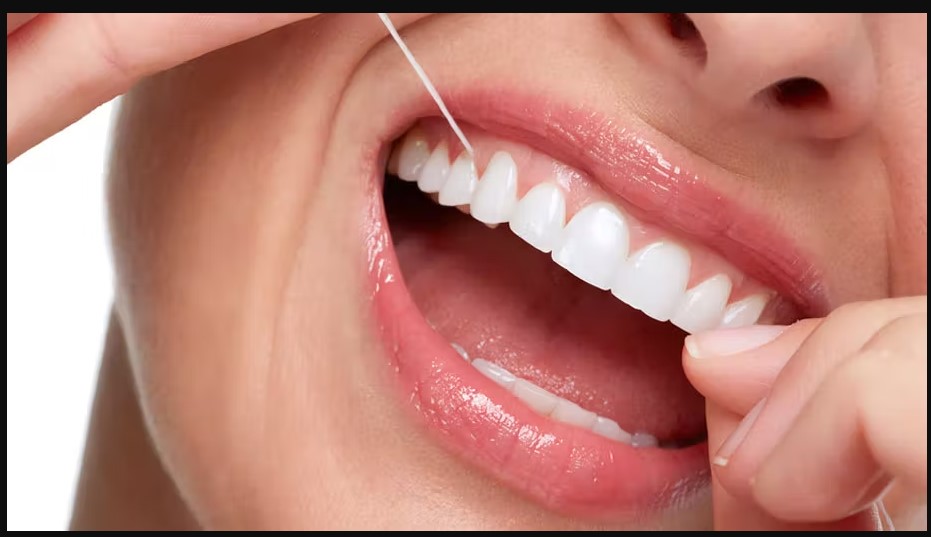
While brushing is essential for cleaning the surfaces of your teeth, it often cannot reach the tight spaces between them. Dental floss becomes the unsung hero, effectively cleaning those areas where your toothbrush bristles can’t reach.

Plaque Patrol:
Dental plaque, a sticky film of bacteria, forms continuously on your teeth. Flossing is your powerful ally in removing plaque from between teeth and along the gum line, preventing it from hardening into tartar, which can lead to gum disease.

Gum Health Matters:
Flossing isn’t just about preventing cavities; it’s also about maintaining healthy gums. Regular flossing helps prevent gingivitis, reducing inflammation, and promoting strong, resilient gums.

Cavity Defense:
Cavities often develop between teeth where bacteria can thrive. By flossing daily, you remove the food particles and bacteria, reducing the risk of cavities and promoting overall dental health.

Fresh Breath Assurance:
Flossing is an effective way to remove food particles that can get trapped between teeth, contributing to bad breath. Incorporating flossing into your daily routine ensures a fresher breath and boosts your confidence in social interactions.

Tips for Effective Flossing:

Choose the Right Floss:
Different types of dental floss are available, including waxed and unwaxed, flavored and unflavored. Choose the one that you find most comfortable to use consistently.

Technique Matters:
Gently slide the floss between your teeth, following the natural curve of each tooth. Be cautious not to snap or force the floss, as this can harm your gums. Curve the floss into a C-shape around each tooth and slide it up and down.

Make it a Routine:
Establishing a daily flossing routine is key. Whether you prefer flossing before or after brushing, consistency is crucial for reaping the long-term benefits.


At Lifetime Dental Group, we encourage our patients to view oral health as an ongoing commitment. Flossing is a simple yet powerful practice that can significantly impact your overall well-being. By embracing this habit, you’re taking a proactive step towards a lifetime of healthy smiles. Schedule an appointment with us, and let’s work together to achieve and maintain optimal oral health for you and your family.

Remember, a few minutes spent flossing each day can lead to a lifetime of smiles!

#LifetimeDental #OralHealth #Flossing #DentalCare #HealthySmiles

Smiles Above the Rest: Why Lifetime Dental is Your Top Choice for Dentistry in Canton

Posted on: October 1st, 2023 by admin

Choosing the right dentist is a crucial decision for your oral health journey, and in Canton, Michigan, Lifetime Dental stands out as a beacon of excellence. As your dedicated dental partner, we take pride in providing unparalleled care that goes beyond expectations. In this blog post, let’s explore why Lifetime Dental is the best dentist office in Canton, offering a unique blend of expertise, compassion, and innovation.

Comprehensive, Patient-Centric Care:
At Lifetime Dental, we prioritize your overall well-being. Our commitment to comprehensive care means that we address not only your immediate dental needs but also consider your long-term oral health goals. We take the time to listen to your concerns, ensuring a personalized and patient-centric approach to every aspect of your dental care.

Experienced and Skilled Dental Professionals:
Our team of experienced dental professionals brings a wealth of knowledge and skill to the practice. From general dentistry to specialized treatments, we are equipped to meet a diverse range of dental needs. Continuing education is a priority for our team, ensuring that we stay abreast of the latest advancements in dentistry to provide you with the best possible care.

Cutting-Edge Technology for Superior Treatment:
Lifetime Dental embraces state-of-the-art dental technologies to enhance the quality and efficiency of our treatments. From digital diagnostics and 3D imaging to advanced treatment modalities like laser dentistry, our commitment to innovation ensures that you receive the benefits of the latest advancements in dental care.

Comfortable and Modern Facilities:
We understand that a comfortable environment plays a significant role in your dental experience. Our modern, inviting facilities are designed to put you at ease from the moment you walk through our doors. Our treatment rooms are equipped with the latest technology, creating an atmosphere that reflects our dedication to excellence.

Transparent Communication and Education:
Transparent communication is a cornerstone of our patient-centered approach. We believe in keeping you well-informed about your oral health, treatment options, and financial considerations. Our team is always ready to answer your questions, ensuring that you feel empowered and confident in making decisions about your dental care.

Community-Focused, Family-Friendly Practice:
Lifetime Dental is more than just a dental office; we are a part of the Canton community. We value the relationships we build with our patients and their families, fostering a sense of trust and reliability. Our family-friendly atmosphere makes dental visits enjoyable for patients of all ages, creating a positive impact on the oral health of our community.

Lifetime Dental in Canton, Michigan, stands out as the premier choice for comprehensive, compassionate, and innovative dental care. Our commitment to excellence, experienced professionals, and patient-focused approach make us the best dentist office in the area. Schedule your appointment with us today and experience the difference that a dedicated and caring dental team can make in your smile journey.

Remember, your smile deserves the best, and at Lifetime Dental, we’re here to deliver just that!

#LifetimeDental #CantonDentist #TopChoiceDentistry #PatientCenteredCare #InnovativeDentistry

Unraveling the Importance of Flossing: A Lifelong Commitment to Oral Health with Lifetime Dental

Posted on: September 1st, 2023 by admin


Maintaining optimal oral health is a commitment that pays off for a lifetime. At Lifetime Dental Group, we believe in empowering our patients with knowledge and habits that contribute to their well-being. Today, let’s delve into the unsung hero of oral care – flossing. Often underestimated, regular flossing is a crucial step towards achieving a healthy, radiant smile.

The Importance of Flossing:

Beyond the Brush:
While brushing is essential for cleaning the surfaces of your teeth, it often cannot reach the tight spaces between them. Dental floss becomes the unsung hero, effectively cleaning those areas where your toothbrush bristles can’t reach.

Plaque Patrol:
Dental plaque, a sticky film of bacteria, forms continuously on your teeth. Flossing is your powerful ally in removing plaque from between teeth and along the gumline, preventing it from hardening into tartar, which can lead to gum disease.

Gum Health Matters:
Flossing isn’t just about preventing cavities; it’s also about maintaining healthy gums. Regular flossing helps in preventing gingivitis, reducing inflammation, and promoting strong, resilient gums.

Cavity Defense:
Cavities often develop between teeth where bacteria can thrive. By flossing daily, you remove the food particles and bacteria, reducing the risk of cavities and promoting overall dental health.

Fresh Breath Assurance:
Flossing is an effective way to remove food particles that can get trapped between teeth, contributing to bad breath. Incorporating flossing into your daily routine ensures a fresher breath and boosts your confidence in social interactions.

Tips for Effective Flossing:

Choose the Right Floss:
Different types of dental floss are available, including waxed and unwaxed, flavored and unflavored. Choose the one that you find most comfortable to use consistently.

Technique Matters:
Gently slide the floss between your teeth, following the natural curve of each tooth. Be cautious not to snap or force the floss, as this can harm your gums. Curve the floss into a C-shape around each tooth and slide it up and down.

Make it a Routine:
Establishing a daily flossing routine is key. Whether you prefer flossing before or after brushing, consistency is crucial for reaping the long-term benefits.


At Lifetime Dental Group, we encourage our patients to view oral health as an ongoing commitment. Flossing is a simple yet powerful practice that can significantly impact your overall well-being. By embracing this habit, you’re taking a proactive step towards a lifetime of healthy smiles. Schedule an appointment with us, and let’s work together to achieve and maintain optimal oral health for you and your family.

Remember, a few minutes spent flossing each day can lead to a lifetime of smiles!

#LifetimeDental #OralHealth #Flossing #DentalCare #HealthySmiles

Tips For New Invisalign Patients

Posted on: April 2nd, 2023 by admin


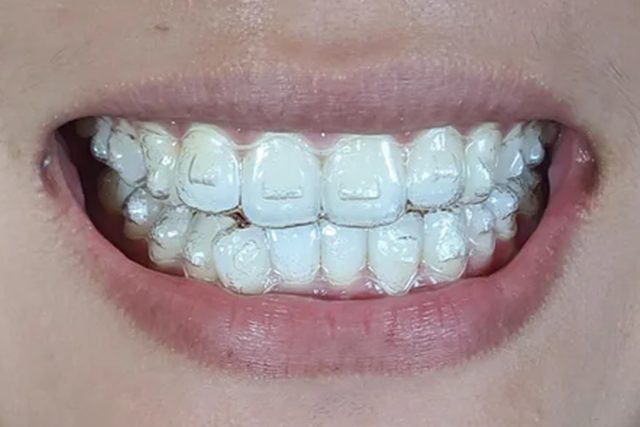
Invisalign is an FDA-approved treatment that can effectively straighten teeth with a series of clear aligners. It is an alternative to braces that uses clear aligner trays to move your teeth gradually. The aligners are removable and virtually invisible, which means most people won’t even know you’re wearing them. Instead of wires and brackets, Invisalign uses a series of clear aligners to shift your teeth into place. When you visit us, our dentist in Arizona will create a customized treatment plan based on your needs.

Here are a few tips if you are new to Invisalign:

invisalignUse and Care for Your Aligners

Your Invisalign aligners are removable. While you need to wear them for at least 20 to 22 hours every day, removing them to eat and brush your teeth is a normal part of caring for them.

Since Invisalign is made of clear plastic, you can safely clean them with a toothbrush and mild soap. Clean your aligners every time that you brush your teeth, and soak them for a few minutes in a mix of water and isopropyl alcohol once a week to remove more bacteria.

While your aligners are removable, you should wear them as much as possible. Removing them may mean that your teeth fall out of alignment, which is counterproductive to straightening.

Remove While Eating

You can take out your aligners when eating. Simply remove them, eat, and put them back in. While you can take them out, you should only do so when eating and brushing. Leaving them out for long periods of time can jeopardize your treatment.

Brush and Floss Your Teeth Daily

Practice proper dental hygiene with Invisalign aligners. Although you can remove the aligners to brush and floss, you still need to brush and floss your teeth daily. This is the best way to maintain the health of your teeth and gums.

You should floss your teeth at least once per day. It can be difficult with Invisalign aligners on your teeth. However, you can still floss your teeth effectively. Use an interdental brush or floss threader to floss underneath your aligners.

Avoid Sugary Foods and Drinks

Foods that contain sticky sugars, like hard candy or caramel, can pull off the aligners or cover them with film. This makes it more difficult for saliva to break down food particles. Therefore, it is best to avoid sugary foods and drinks when you have Invisalign aligners in.

See Your Dentist for Regular Check-ups and Adjustments

Wearing Invisalign aligners doesn’t exempt you from seeing your dentist for regular visits. In fact, these appointments are even more important. Your dentist will monitor your progress and make sure you’re on the right path toward better oral health. They will also make sure your aligners fit correctly and suggest a new set of aligners.

Important Facts About Flossing from Lifetime Dental

Posted on: March 3rd, 2023 by admin

We all want strong, beautiful and healthy teeth! This doesn't just happen though. Like many things in life, it takes hard work to have beautiful teeth and to maintain a healthy oral hygiene regimen.

Did you know how important flossing is to your teeth? While missing a day of flossing won’t cause your teeth to fall out immediately, over time not flossing your teeth regularly can have very negative oral effects. You should be flossing once daily to remove excess bacteria and plaque from between your teeth, lessening the chances of decay and cavities.

flossing teethHere are a few flossing facts for you to think about.

1. Floss comes in a variety of flavors!
Traditional dental floss is either unflavored or mint, but other varieties include bubblegum and cinnamon. Online novelty shops also sell floss in flavors like bacon or wasabi!

2. Brushing alone only cleans 70% of your teeth.
The remaining 30% is why flossing is so important! Flossing helps reach the tight spots between your teeth that brushing cannot hit. If you think about it, skipping out on flossing would be like only washing six of your fingers after using the bathroom.

3. Braces aren’t an excuse to skip flossing.
There are special devices made to help people with traditional metal braces clean between their teeth, and a special threading maneuver can also help get floss behind brackets and between teeth.

4. Floss can be waxed or unwaxed.
Depending on how tightly your teeth fit together, the type of floss you need will vary. Teeth that are very close together will be more easily flossed with waxed floss, as the wax helps the string slide gently between tight spaces. For more spaced teeth, unwaxed floss will do a great job clearing out debris.

5. Flossing helps fight cavities and bad breath.
Because flossing removes plaque and food debris, it is helping you to both keep your teeth and gums healthy as well as your breath fresh! The acid in plaque bores into teeth, causing them to decay, but flossing helps eradicate this issue. Additionally, food particles that linger in your mouth impact how your breath smells, both from the scent of the food itself and the smell it makes while it breaks down. Flossing helps to clear out these unpleasant odors.

6. When it comes to floss, more is often more.
It’s best to use 18 to 20 inches of string each time you floss! This will give you enough floss the wrap securely around your fingers as well as ample floss to move between your teeth.

It’s never too late to start flossing regularly! If you have questions about how to floss properly or help ensure you make the habit stick, talk to your dentist for more insight and advice.

To schedule your next appointment at Lifetime Dental in Canton, Michigan, South Lyon, Michigan or West Bloomfield, Michigan, just give us a call!

Canton: (734) 844-1300

South Lyon: (248) 437-1010

West Bloomfield: (248) 855-8000

Lifetime Dental Group celebrates the opening of 6,000-square-foot West Bloomfield facility

Posted on: February 1st, 2023 by admin

Lifetime Dental Group celebrates the opening of 6,000-square-foot West Bloomfield facility.

The 6,000-square-foot state-of-the-art dental facility marks the third location for the growing practice, which has two more locations in South Lyon and Canton. The latter is the original practice opened in 1999, which was originally called David N Kam DDS PC.

“We owe it to the community,” the dentist explains. “The community supports us and we should support them.”

Yet his values go beyond simply a love for supporting Metro Detroit and beyond. In fact, Kam says it’s the driving factor behind his business values.

“We lived in a very Conservative household, knowing right from wrong,” he explains. “The values that I learned growing up, I implemented those same values in my business.”

Kam prides his practice on one distinguishing trait: honesty. “I started my business with nothing,” he recalls, “not even one patient. To grow so big, it’s because we treat people how people deserve to be treated. We do good, honest work at a fair price.”

Between its three offices, Lifetime Dental Group sees close to 25,000 patients and has 60 professionals on staff. Oftentimes, the practice will see people in need who can’t afford standard dental fees.

“That’s what we’ve done for the last 25 years or so,” he says.

Honest Business Values

The new West Bloomfield facility is the latest contribution to the Metro Detroit community and beyond, which Kam says makes dental visits easier for patients in the West Bloomfield or Bloomfield Hills area who previously drove to Canton or South Lyon.

Opened in October, Lifetime Dental Group’s West Bloomfield location is the practice’s most advanced office yet. “It’s high-tech and has every state-of-the-art technology in dentistry,” Kam explains.

This includes special X-ray machines that are able to take X-rays outside of patients’ mouths, digital scanners to create impressions and even massage chairs in every room at the West Bloomfield office.

The goal? To help patients feel more comfortable. “We have digital X-rays, which use 90% less radiation than regular X-rays,” Kam says. “We have the latest in sterilization techniques to make sure that everything is 100% sterile and clean.”

Offering trustworthy services, Kam explains, is the key to being successful in dentistry.

“We are honest,” he says of what keeps his patients coming back year after year. “When people come to us for a second opinion after seeing another dentist, we often find they don’t need [expensive services] that other dentists have recommended.”

This saves patients time, energy and above all, hard-earned money. “Dentistry is a very ethical field,” Kam explains, “that people should take an oath for. So, we’re ethical.”

An honest mindset is shared by Kam and everyone who works at the practice, he says. Lifetime Dental Group also offers a Lifetime Dental Discount Plan that serves as an alternative to traditional dental insurance for those who don’t have it, since dental work can be pricey without some type of insurance or discount plan in place.

The discount plan, Kam explains, was a cornerstone of wanting to form his own practice after earning his doctorate from the University of Detroit Mercy School of Dentistry in 1996.

“I had a philosophy where I knew what I wanted,” he says, “and that was opening an office where if you don’t have dental insurance, we could have a good, in-office discount plan, and an office that takes most insurance networks.”

Now nearly 25 years after launching his dream practice, Kam says he and his team have achieved that goal. “We provide excellent service without cutting any corners.”

Changing One Smile at A Time

Currently, Lifetime Dental Group offers a number of services that include teeth cleanings and fillings, dental X-rays, root canals, dental crowns and bridges, and dental implants. They also treat gum disease, dental emergencies and perform dental extractions.

Kam explains there are orthodontists, endodontists and periodontists available to see in their practices, which isn’t common for general dental offices to have on staff.

Yet amongst many services and specialties, Kam says the most rewarding part of the job is the ability to change or improve a person’s smile.

“We do a lot of smile makeovers where we transform people’s smiles,” he explains. This can include people who have broken teeth, stained teeth and other concerns that might prevent them from wanting to smile. “We give them a beautiful movie-star smile.”

Kam says some patients have even been in tears to see the results. “Whether they’re a grown man or a young woman, they just can’t believe how happy they are,” he describes.

For many, smiles are an extremely personal trait. “It’s changed their lives. They could smile now, and they feel confident. Their teeth look good, and they feel good in return.”

Maintaining A Philosophy

These important and often life-changing relationships that Kam and his staff build is what makes patients stay with Lifetime Dental Group over the decades.

Brian Kaufman of Bloomfield Hills, who has been a patient at Lifetime Dental Group for five years, says the practice’s attention to every detail is what makes them stand out.

“They’re always available and happy to help when needed,” he says. “There are no expenses spared to provide every patient with the most advanced technology.”

It’s a feeling, Kaufman says, that patients can experience from the lobby when they walk in through the front door to each treatment room. “Everything is done with the patients’ comfort in mind,” he adds.

Robyn Presser, 53 of West Bloomfield, agrees. “Lifetime Dental Group has been more than just a dental office to myself, my husband and my two boys,” she says. “It’s a part of our family.” A “lifetime,” she explains, is exactly how long she’d like to be a patient.

“They make you feel comfortable and at home,” she continues. “The decor, machines, technology and staff are all state-of-the-art.”

Kam says that if all goes well with the new West Bloomfield location, he plans to continue expanding Lifetime Dental Group shortly.

“We have the same philosophy,” Kam says of every expansion. “To provide the best service at the best price.”


Dental Health and Your Overall Health

Posted on: September 21st, 2020 by admin

The condition of your mouth is closely tied to your overall health. Find out how oral health is linked to diabetes, heart disease, cancer, and more.

Taking care of your teeth isn’t just about having a nice smile and pleasant breath. Recent research has found a number of links between oral health and overall health. While in many cases, the nature of this link still isn’t clear — researchers have yet to conclude whether the connections are causal or correlative — what is certain is that the condition of your mouth is closely tied to your overall physical health.

Oral Health and Diabetes

Doctors have known for years that type 2 diabetics have an increased incidence of periodontitis or gum disease. In July 2008 the connection was further highlighted: Researchers at Columbia University’s Mailman School of Public Health followed 9,296 nondiabetic participants, measuring their level of periodontic bacteria over the course of 20 years. “We found that people who had higher levels of periodontal disease had a twofold risk of developing type 2 diabetes over that time period compared to people with low levels or no gum disease,” explains Ryan Demmer, PhD, associate researcher at the department of epidemiology at the Mailman School and the lead author. While more research is needed before doctors can conclude that gum disease actually leads to diabetes, there are already a few theories about why this might be the case: One proposes that when infections in your mouth get bad enough, they can lead to low-grade inflammation throughout your body, which in turn wreaks havoc on your sugar-processing abilities. “There are all kinds of inflammatory molecules,” says Dr. Demmer, “and it’s believed that maybe some attach to insulin receptors and prevent the body’s cells from using the insulin to get glucose into the cell.”

South Lyon Michigan Dentist - Dental Health and Your Overall Health

Oral Health and Heart Disease

As with diabetes, the connection between poor oral health and cardiovascular conditions has been recognized — the two are often found together — but it still hasn’t been determined conclusively whether or not there is a direct causal relationship between them. (One reason is that there are a number of other potential risk factors — such as smoking and old age — that can lead both to gum disease and heart disease.) However, in a 2005 study funded by the NIH, 1,056 randomly selected participants with no prior heart attacks or strokes were evaluated for levels of periodontal bacteria: After removing the effects of the other risk factors of age, gender, and smoking, it was found that there was an independent relationship between gum disease and heart disease, says Moise Desvarieux, MD, PhD, associate professor of epidemiology at the Mailman School and lead author of the study. One theory about why this may occur, says Dr. Desvarieux, is that small amounts of bacteria enter your bloodstream while you’re chewing. “Bad” bacteria from an infected mouth may lodge itself inside blood vessels, ultimately causing dangerous blockages. Strengthening his theory is the fact that when scientists have looked at atherosclerotic blood vessels, they have sometimes found fragments of periodontal bacteria. Meanwhile, a study published in the New England Journal of Medicine in 2007 established that aggressive treatment of gum disease reduces the incidence of atherosclerosis within six months.

Pregnancy Complications and Gum Disease

For many pregnant women, gum infections stem from the fluctuating hormone levels that come with pregnancy, says Marsha Rubin, DDS, practicing diplomat of special-care dentistry at New York-Presbyterian/Weill Cornell, who sees many pregnant patients in her practice. Others neglect their oral care during pregnancy since they have much on their minds, she adds. But that’s a mistake: Scientists believe that gum disease or inflammation in the mouth possibly triggers an increase in a chemical compound called prostaglandin, which induces early labor. While this theory has not yet been confirmed, a 2001 study found that pregnant women who develop gum disease between weeks 21 and 24 are four to seven times more likely to give birth before week 37. There is evidence that poor gum health in the extreme can lead to low birth weight as well. A number of studies — including a 2007 study of 3,567 Turkish women and a 2007 study of 1,305 Brazilian women — found a relationship between periodontal disease, preterm birth, and low birth weight.

Pneumonia and Gum Disease

There has been a link established between poor oral health and pneumonia, though much of the research focuses on high-risk populations. A 2008 study of elderly participants found that the number who developed pneumonia was 3.9 times higher in patients with periodontal infection than in those free from it. “The lungs are very close to the mouth,” says Rubin. “Even in a healthy mouth there is lots of bacteria, but bacteria in a not-healthy mouth can get aspirated into the lungs, causing pneumonia or aggravating COPD, chronic obstructive pulmonary disorder.” Several intervention studies cited by the CDC show that an improvement in oral health can lead to a reduction in respiratory infection.

Pancreatic Cancer and Gum Disease

A study published in 2007 in the Journal of the National Cancer Institute surveyed 51,529 American men about their health every two years between 1986 and 2002. Of the 216 participants who developed pancreatic cancer, 67 of them also had periodontal disease. Independent of the participants’ smoking status, the study found that having a history of periodontal disease was associated with an increased risk of pancreatic cancer. This, according to the study, could be because of systemic inflammation or increased levels of carcinogenic compounds produced in the infected mouth. Interestingly, another viable theory about why gum disease may cause type 2 diabetes points to damage to the pancreas as well. “With the pancreatic cancer study, we thought it was very interesting that you have this localized infection that has an impact on a systemic organ that is very intimately tied to the pathophysiology of diabetes,” says Dr. Desvarieux. Reasons for why this might be are as yet unknown.

Learn more in the Everyday Health Dental Health Center.